

Motivation comes and goes. Some days we feel inspired and focused, and on other days we feel tired, discouraged or overwhelmed. For young people in Eswatini navigating career choices, or for those already working and hoping to grow their income in 2026, waiting for motivation can slow progress. This is why environment often matters more than willpower.
An environment is not only a physical space. It includes what is within reach, what is visible and what is easy to do when energy is low. When environments are designed intentionally, good choices become easier, even when motivation disappears.
Take journaling as a simple example. Many people say they want to reflect, plan or track their goals, yet rarely do. The difference is often not discipline, but design. When a notebook and pen are placed next to your bed, writing becomes the easiest option before sleep or after waking up. When they are hidden away, reflection requires extra effort and is easily avoided. The same principle applies to career development.
The same is true for vision boards. Designing a vision board is helpful, but where you place it matters. When it is posted where you can see it every morning as you wake up, it becomes a daily reminder of where you are going. You can also set your vision board as your smartphone lockscreen or desktop background. Keeping your goals in sight increases the chances that your daily decisions align with them.
If you want to learn more about education and job opportunities, make access easy. Buying the Times of Eswatini newspaper every Tuesday and actually reading it is a small environmental choice that keeps you informed and aware of opportunities that could shape your future.
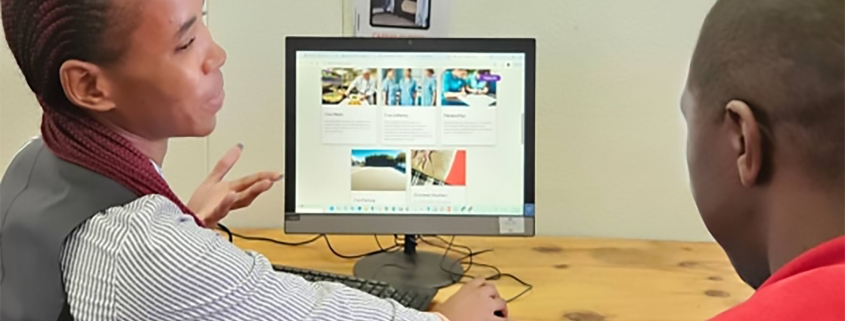
Digital environments matter too. If your phone mainly exposes you to entertainment, growth will be slow. If it also connects you to career platforms, learning resources and guidance, progress becomes more natural. Visiting Thubelihle.org makes employability and career information easier to access.
As you plan your year, ask yourself: what can I place closer in my life that supports my future? Small design choices can lead to meaningful career growth.